
Fall Prep for Your Home: Maintenance Tips Before the Rain Arrives
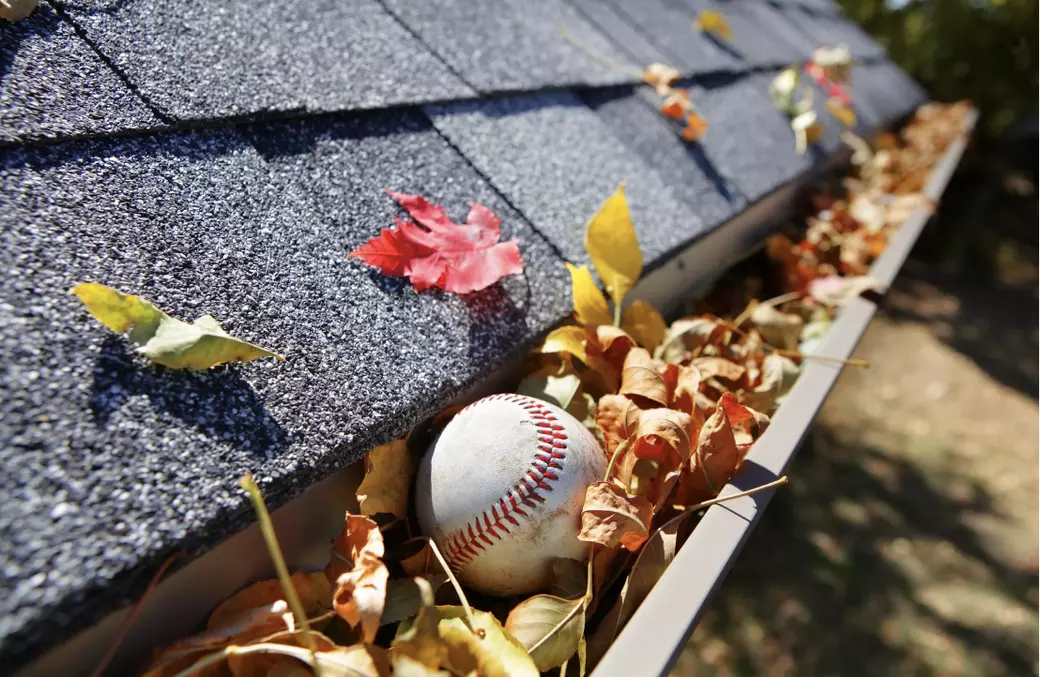
As the leaves begin to change and temperatures start to drop, it's time to shift focus from summer relaxation to fall preparation. Preparing your home this season with essential tasks ensures your property stays protected before temperatures dip and the rainy season begins. The key to a worry-free winter is tackling maintenance tasks now, before harsh weather puts your home to the test.
Fall maintenance isn't just about aesthetics – it's about protecting your investment and preventing costly repairs down the road. Following these preparation tips can help prevent damage to your home and potentially save on energy costs throughout the colder months. Let's dive into the essential tasks that will keep your home safe, dry, and efficient all season long.
The Critical Importance of Gutter Maintenance
When it comes to fall home preparation, nothing is more crucial than getting your gutters ready for rain. Your rain gutters are an essential part of your home's roofing system, funneling rain and stormwater from your roof away from your home and its foundation. Without proper maintenance, you're setting yourself up for serious problems.
Clogged or damaged gutters can cause damage and rot under the fascia that runs along the edge of the roof, and if they allow water to reach your home's foundation, the water can soften the ground, leading to cracks in the foundation. The domino effect can be devastating – foundation damage can create problems inside your home, including damaged floors, warped door and window frames, and cracks in walls.
Essential Gutter Preparation Steps
Clean Out All Debris - Remove leaves, twigs, and accumulated sediment from gutters and downspouts. Learning how to clean gutters properly helps keep rain runoff away from your home and prevents water damage. Don't forget to check for and remove any nests or other obstructions.
Inspect for Damage - Look for cracks, holes, rust spots, or loose joints. Small issues now can become major problems when winter storms arrive. Pay special attention to corners and seams where leaks commonly develop.
Test Water Flow - Run water through your gutters with a hose to ensure proper drainage. Water should flow smoothly toward downspouts without pooling anywhere along the gutter line.
Secure Loose Gutters - Check that all brackets and hangers are tight and properly supporting the gutter system. Loose gutters can pull away from the house during heavy rains or under the weight of debris.
Extend Downspout Drainage - Make sure downspouts direct water at least 6 feet away from your foundation. Consider adding extensions or splash blocks if needed to protect your home's base.
Roof Inspection and Maintenance
Your roof is your home's first line of defense against the elements. Essential roof care is crucial for preparing your home for winter, and fall is the perfect time for a thorough inspection.
Check for Missing or Damaged Shingles - Look for cracked, curled, or missing shingles that could allow water infiltration. Replace any damaged shingles before the rainy season begins.
Inspect Flashing - Check the metal flashing around chimneys, vents, and skylights. Damaged or loose flashing is a common source of leaks during heavy rains.
Clear Roof Debris - Remove leaves, branches, and other debris that can trap moisture and lead to roof damage. Pay special attention to valleys where debris tends to accumulate.
Examine Attic Ventilation - Ensure soffit and ridge vents are clear and functioning properly. Good ventilation prevents moisture buildup and ice dam formation.
HVAC System Preparation
One of the most important fall home maintenance tasks is scheduling your annual heating tune-up with an HVAC technician. Don't wait until the first cold snap to discover your heating system isn't working properly.
Replace Air Filters - Install fresh filters to improve air quality and system efficiency. Consider upgrading to high-efficiency filters for better performance.
Test Your Heating System - Run your heater for a test cycle to ensure it's working properly. Listen for unusual noises and check that all vents are producing warm air.
Clean Vents and Ducts - Remove dust and debris from air vents and consider professional duct cleaning if it's been several years.
Check Thermostat Settings - Test your thermostat and consider upgrading to a programmable or smart model for better energy efficiency.
Exterior Maintenance and Weatherproofing
Inspect and Caulk Windows and Doors - Check for gaps around windows and doors that could let cold air and moisture in. Fresh caulk and weatherstripping can significantly improve energy efficiency.
Service Exterior Doors - Ensure doors close properly and weatherstripping is intact. Consider adding door sweeps if gaps exist at the bottom.
Check Exterior Paint and Siding - Look for areas where paint is peeling or siding is damaged. These spots are vulnerable to moisture infiltration and should be repaired before winter weather arrives.
Service Your Fireplace - If you have a fireplace, schedule a professional chimney cleaning and inspection. Check that the damper opens and closes properly.
Landscaping and Yard Preparation
Trim Tree Branches - Cut back any branches that overhang your roof or are close to power lines. Heavy rain and wind can cause weak branches to fall and damage your home.
Clean Up Fallen Leaves - Don't let leaves accumulate on your roof, in gutters, or around your foundation. Decomposing leaves can create moisture problems and attract pests.
Store Outdoor Furniture - Clean and properly store patio furniture, grills, and other outdoor items to protect them from winter weather.
Interior Preparations
Check Indoor Plumbing - Inspect exposed pipes in basements, crawl spaces, and garages for leaks or damage.
Test Safety Devices - Check smoke detectors, carbon monoxide detectors, and fire extinguishers. Replace batteries and ensure all devices are functioning properly.
Inspect Windows from Inside - Look for condensation between double-pane windows, which indicates seal failure. Check window frames for signs of water damage or rot.
Prepare Emergency Supplies - Stock up on flashlights, batteries, candles, and non-perishable food in case of power outages during winter storms.
When to Call Professionals
While many fall maintenance tasks are DIY-friendly, some jobs require professional expertise. Consider hiring professionals for:
- Roof repairs or extensive gutter work
- HVAC system tune-ups and repairs
- Chimney cleaning and inspection
- Electrical issues or outdoor lighting problems
- Plumbing repairs or pipe insulation in hard-to-reach areas
Creating Your Fall Maintenance Schedule
The key to successful fall preparation is creating a systematic approach. Start with the most critical tasks – gutter cleaning and roof inspection – then work your way through exterior and interior preparations. Using a fall home maintenance checklist helps you prep your house properly and avoid winter damage.
Consider spreading tasks over several weekends to avoid feeling overwhelmed. Some jobs, like HVAC servicing, should be scheduled well in advance as professionals get busy as temperatures drop.
The Investment That Pays Off
Fall home maintenance might seem like a lot of work, but it's an investment that pays dividends all winter long. Routine upkeep helps your home stay in tip-top shape throughout the season and prevents minor issues from becoming major expenses.
By taking proactive steps now, you'll enjoy peace of mind when the first major rainstorm hits. Your gutters will channel water away from your foundation, your roof will keep moisture out, and your heating system will keep you warm and comfortable. Most importantly, you'll avoid the stress and expense of emergency repairs during bad weather.
Don't wait until you hear the pitter-patter of raindrops on your roof – start your fall maintenance checklist today. Your future self will thank you when you're cozy inside while the storm rages outside, confident that your home is ready for whatever weather comes its way.
Recent Posts










GET MORE INFORMATION
